
Raw, pure, natural — you've probably seen these words on honey labels. But what do they actually mean?
If you've ever stood in front of a shelf of honey wondering what makes one jar different from another, you're not alone.
With so many options available, understanding what you're buying can make all the difference.
For those looking for Australian raw honey, here's what you need to know.
What Is Raw Honey?
Raw honey generally refers to honey that hasn't been subjected to the high-heat processing commonly associated with some commercially processed honey.
It may still be strained or filtered to remove larger pieces of wax and other hive material.
Unlike terms such as 'pure', the word 'raw' doesn't have one universally applied processing definition, so methods can vary between producers.
The important thing is understanding how your honey has been handled and where it comes from.
Raw Honey vs Regular Honey: What's the Difference?
All genuine honey begins with bees collecting nectar from flowers.
The differences often come later, during extraction, filtration, heating and packaging.
Some commercially processed honey is heated or finely filtered to create a more uniform appearance and texture.
Raw honey is generally handled with less processing, helping preserve more of its original characteristics.
Both can be genuine honey, but their flavour, texture and appearance may differ.
Why Does Raw Honey Crystallise?
One of the biggest misconceptions about honey is that crystallisation means something has gone wrong.
In fact, crystallisation is completely natural.
Honey contains naturally occurring sugars, including glucose and fructose. Over time, glucose can form crystals, causing honey to become thicker, cloudy or grainy.
Different honey varieties crystallise at different rates depending on their natural composition and storage conditions.
If you prefer runny honey, gently warming a sealed jar in warm water can help dissolve the crystals.
Avoid excessive heat if you want to minimise changes to the honey's natural characteristics.
Does Raw Honey Taste Different?
It certainly can.
Honey's flavour is influenced primarily by the flowers visited by bees, but processing and storage can also affect its aroma and character.
Australian raw honey offers an incredible variety of flavours because of the country's diverse flowering plants.
And Tasmania is home to some particularly distinctive varieties.
From floral Leatherwood to rich Stringybark and earthy Manuka, each honey offers a different tasting experience.
Is Raw Honey Healthier?
Raw honey is often discussed in relation to its naturally occurring compounds, including enzymes and antioxidants.
However, the amount and composition of these compounds vary between honey varieties.
It's important to remember that honey is still predominantly sugar and should be enjoyed as part of a balanced diet.
Raw honey isn't a medicine, and claims about its health benefits shouldn't be confused with the pleasure of enjoying a naturally produced food.
Important: Honey should never be given to children under 12 months of age because of the risk of infant botulism.
How to Choose Australian Raw Honey
When shopping for honey, consider a few simple questions:
Where was the honey produced?
Is the country or region of origin clearly identified?
What floral variety is it?
How has the honey been processed?
Does the producer explain where their honey comes from?
Buying from a producer with a clear connection to their honey's origin can help you make a more informed choice.
Discover Raw Tasmanian Honey
At West-Bee Honey, we're passionate about sharing the distinctive flavours of pure, raw Tasmanian honey.
Our collection celebrates the variety of nectar sources found across Tasmania, from native forests to seasonal flowering landscapes.
Whether you're exploring raw honey for the first time or looking for a new favourite, there's plenty to discover.
Experience the flavour of Tasmania, one jar at a time.
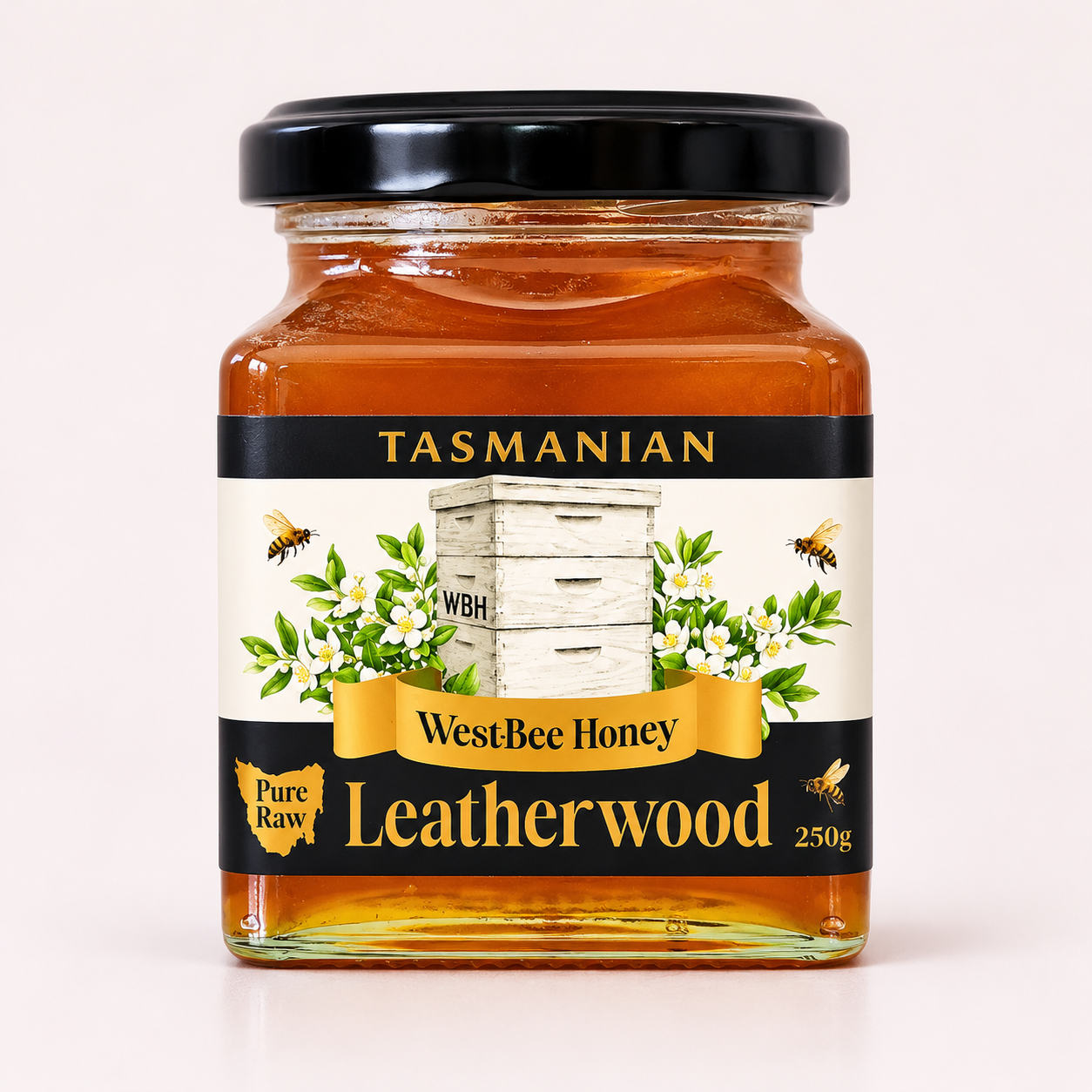
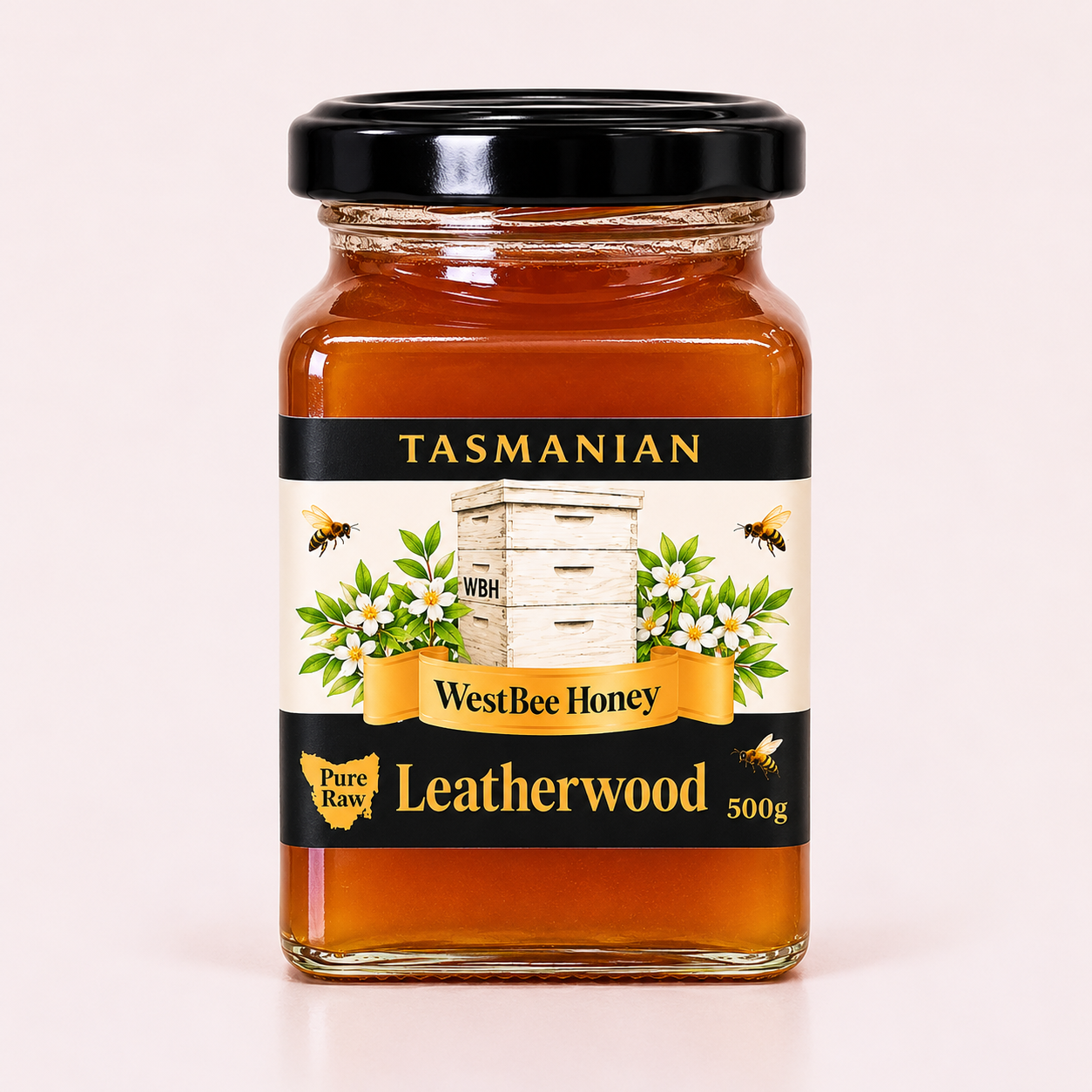
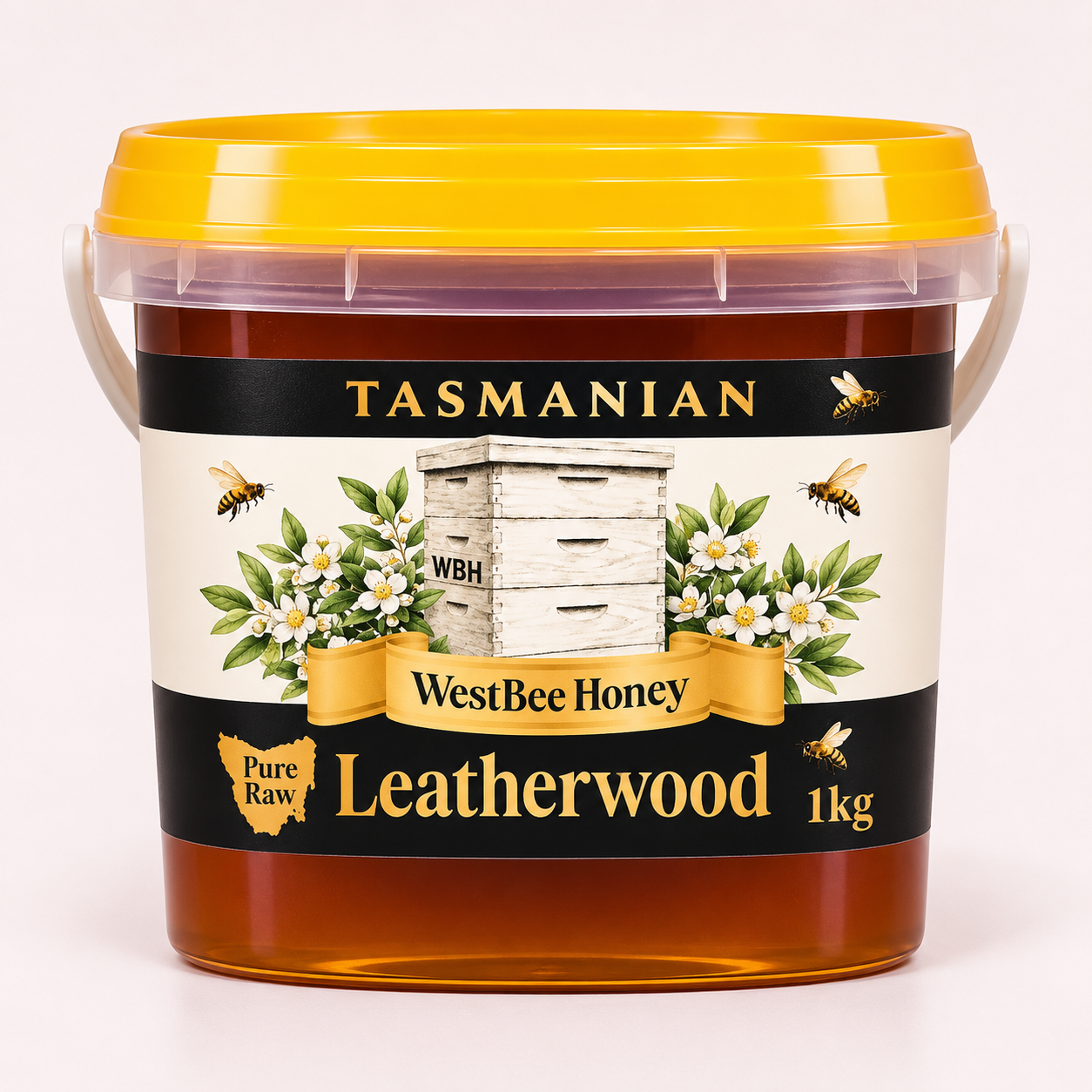
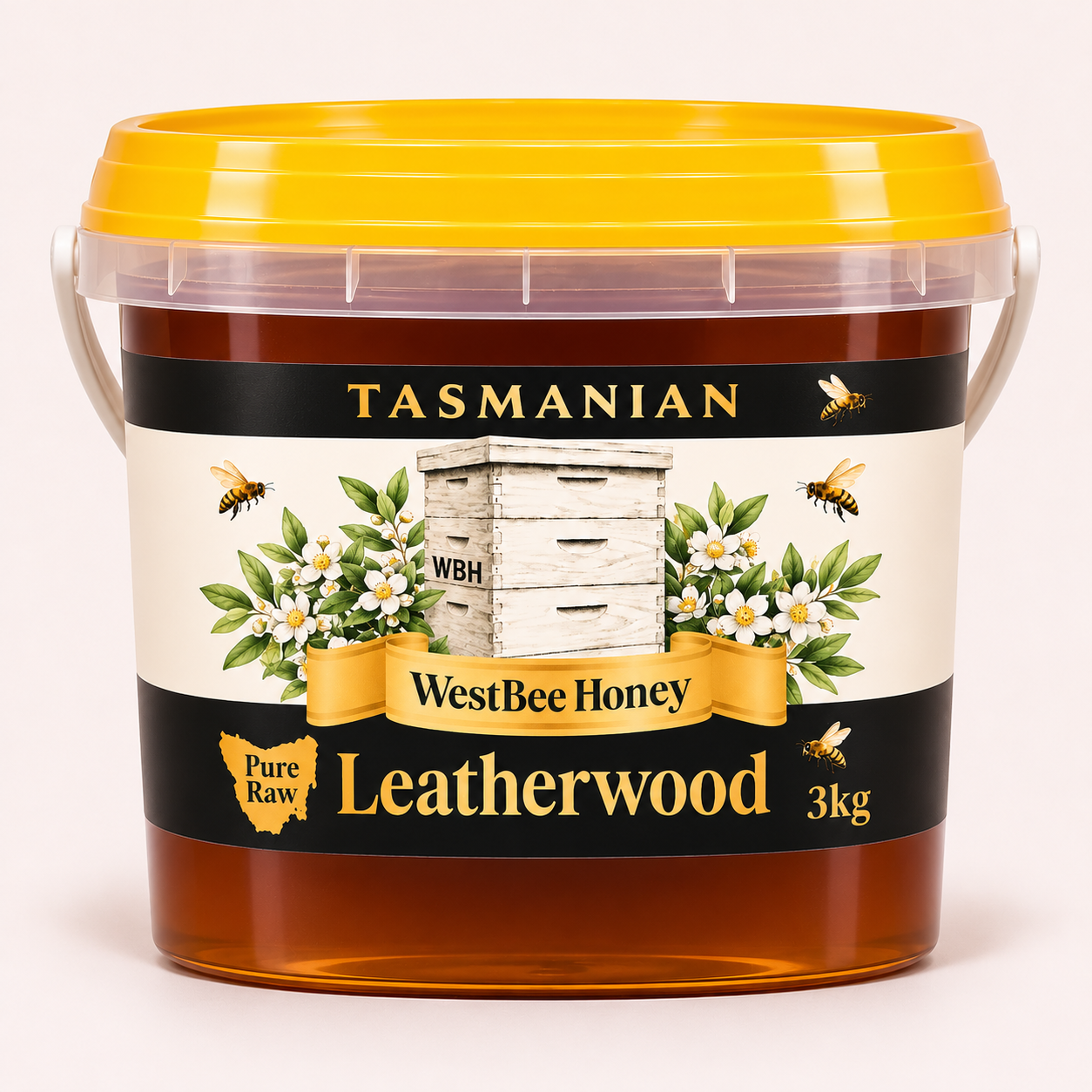
Sourced from Tasmania’s west coast wilderness, this honey is collected while our bees forage among ancient Leatherwood trees. The result is a rich, amber honey with a bold floral aroma and a complex flavour profile. It is a world-renowned honey that reflects the untamed spirit of the region. Type: Tasmanian Leatherwood honey. Available in 250g, 500g, 1kg and 3kg sizes.
GOLD MEDAL - Royal Tasmanian Fine Food Awards 2021 BRONZE MEDAL winner at 2019 APIMONDIA, Montreal, Canada WBA
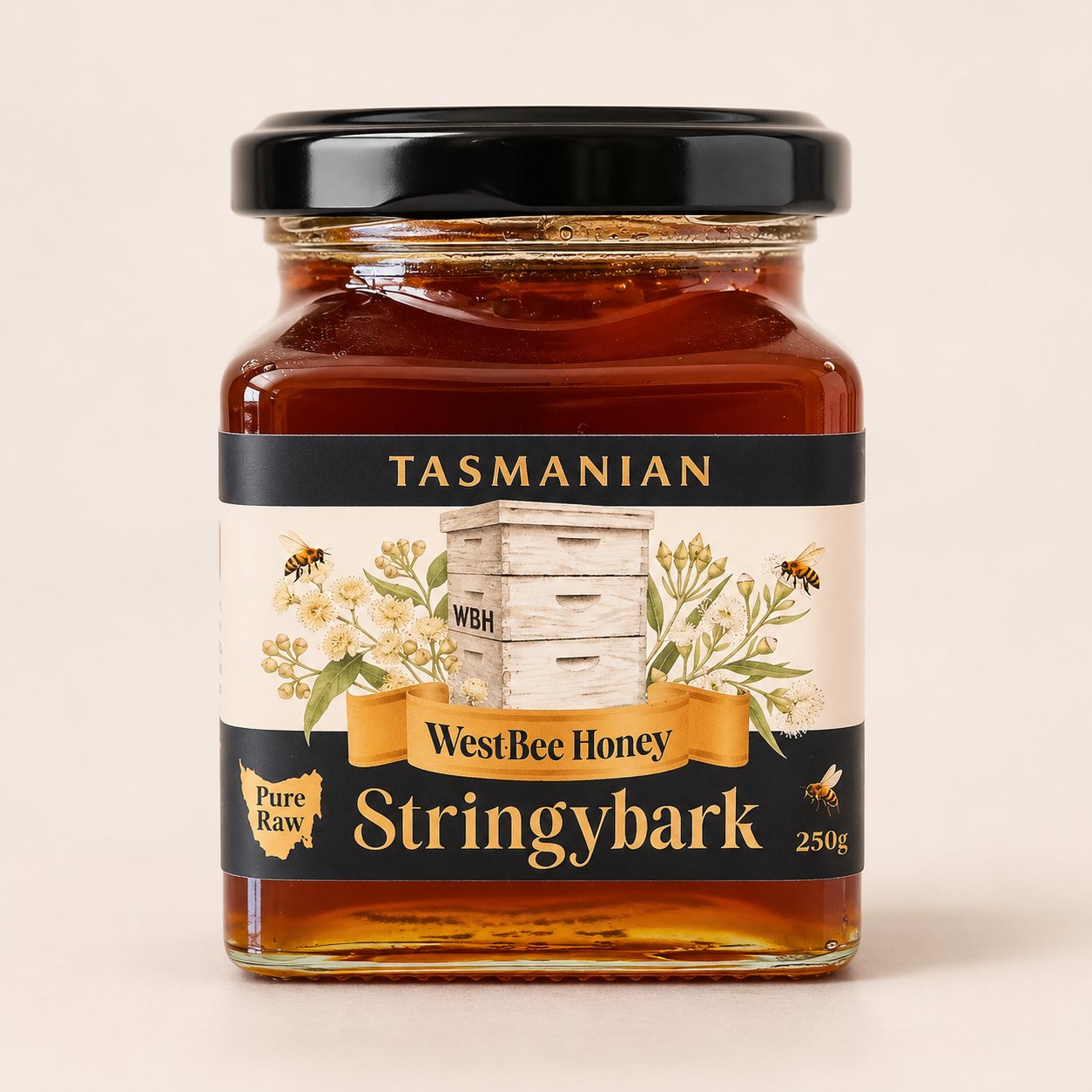
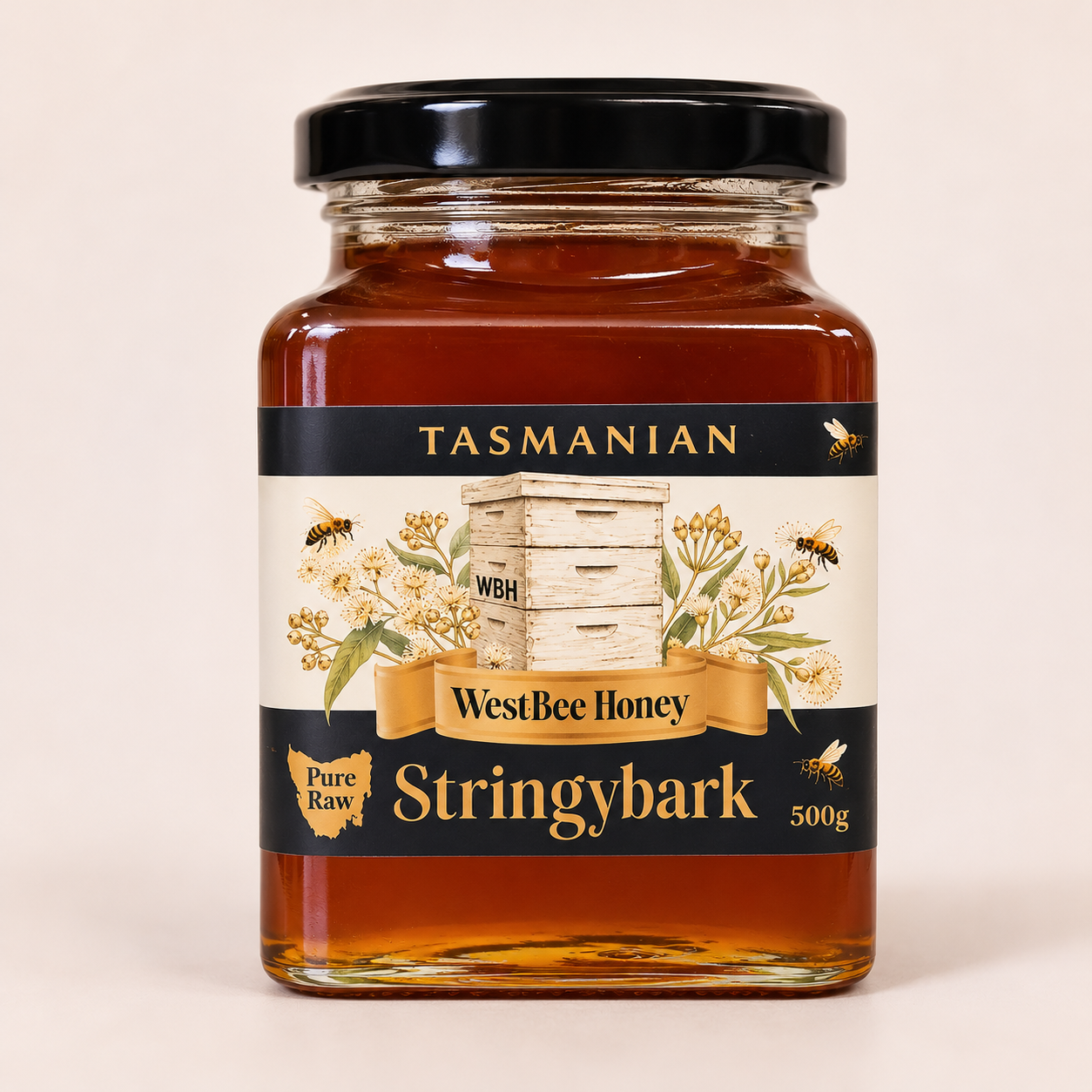
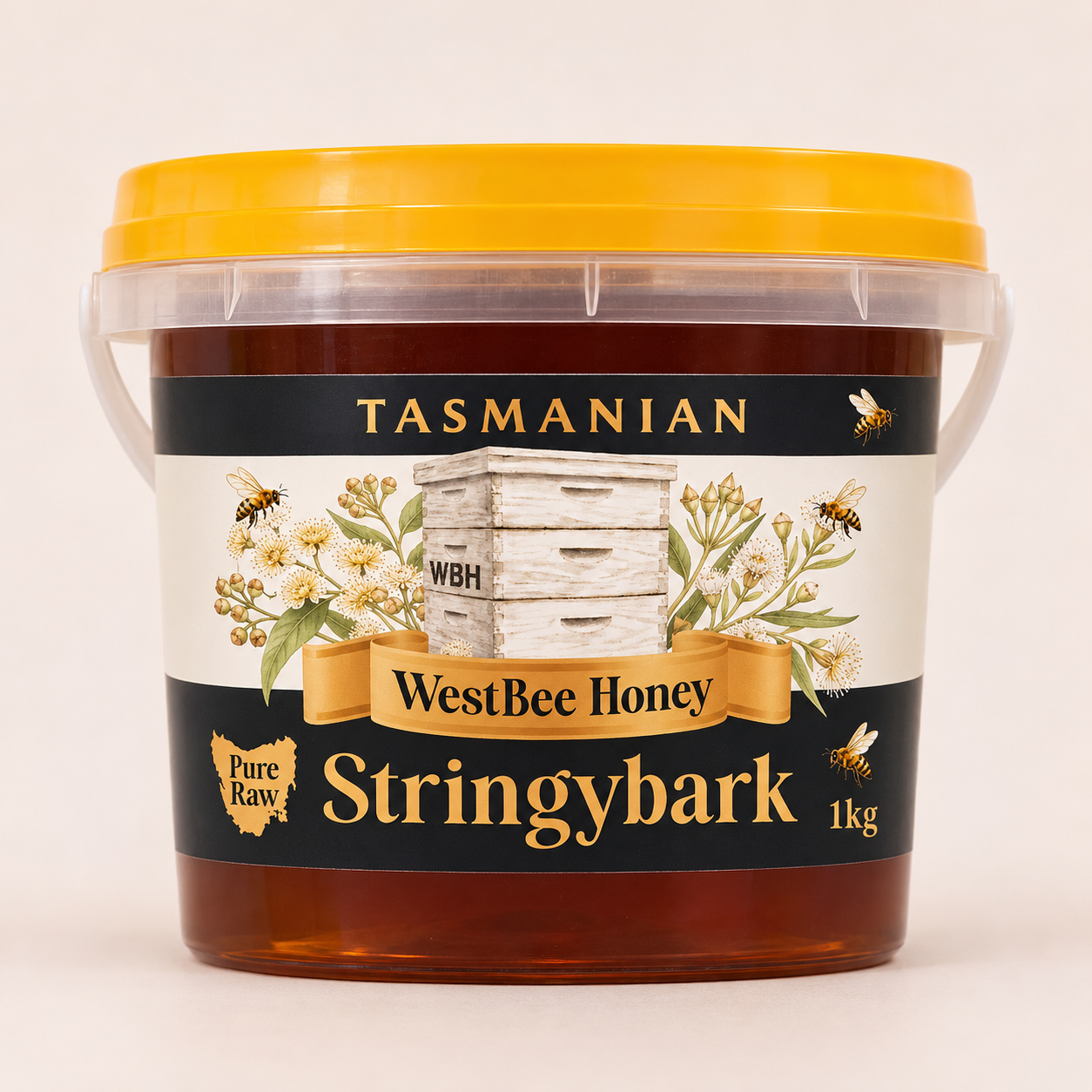
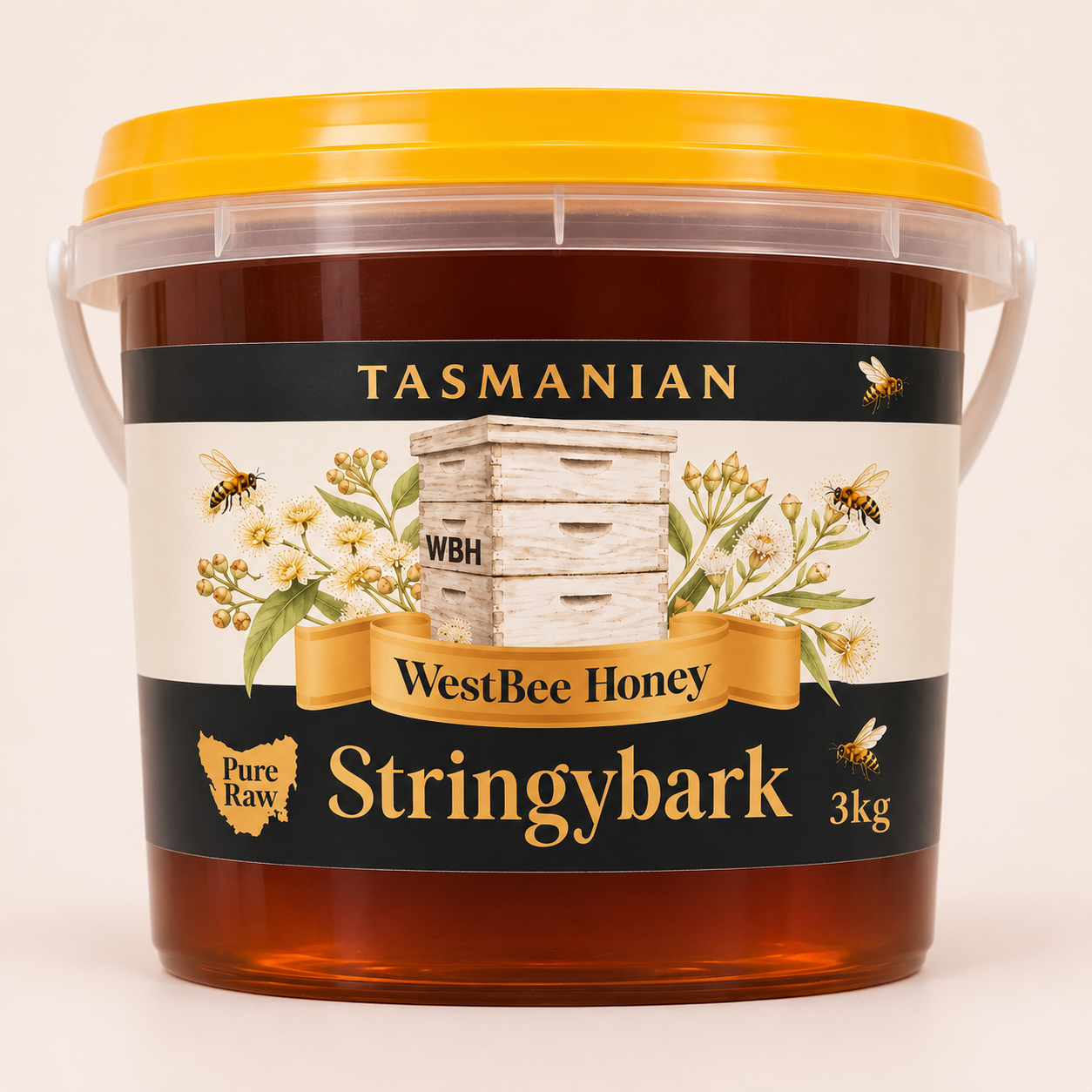
Royal Tasmanian Fine Food Awards 2025 Champion, Stringybark is dark, thick and rich with complex chocolate and espresso notes. Type: Tasmanian Stringybark honey. Available in 250g, 500g, 1kg and 3kg sizes.
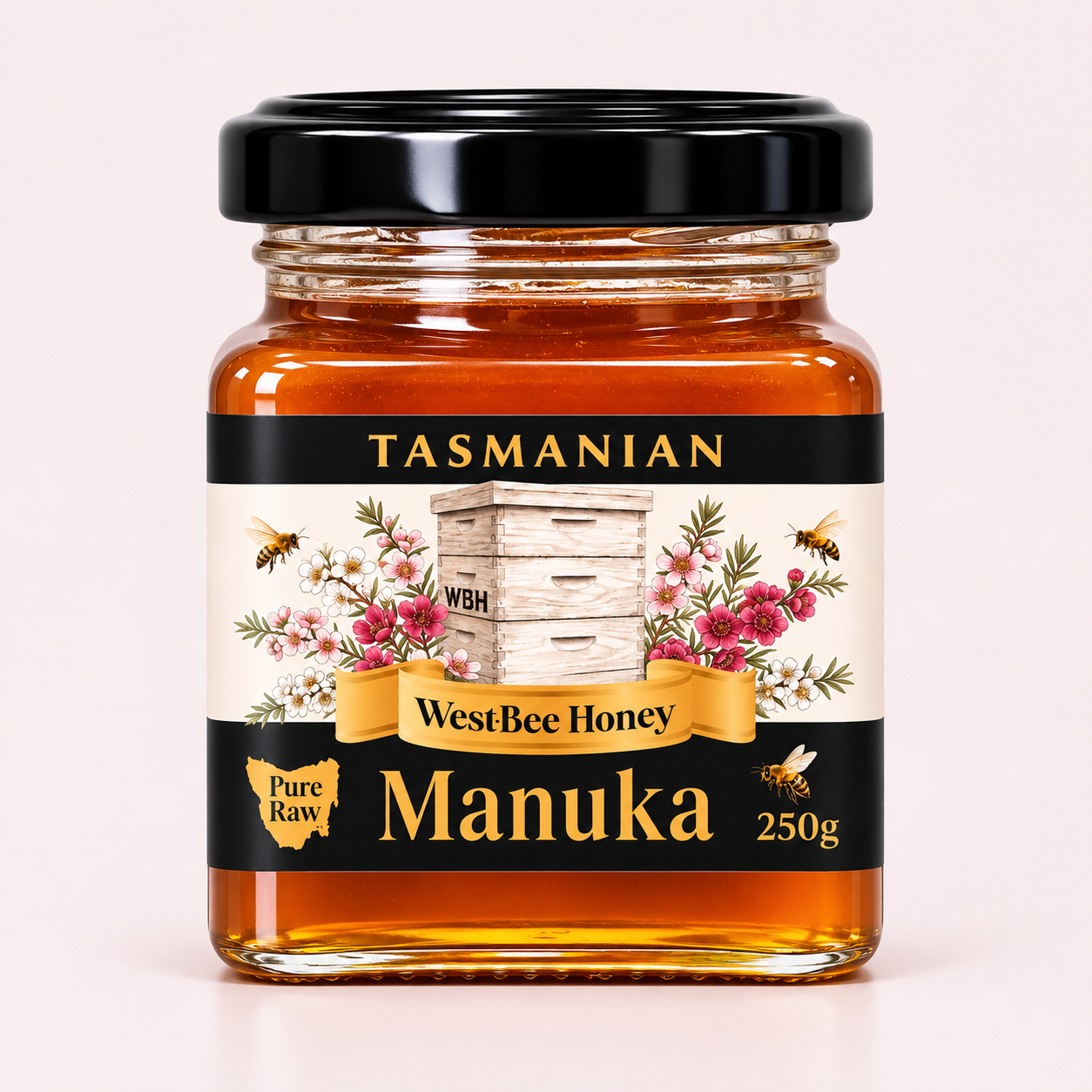
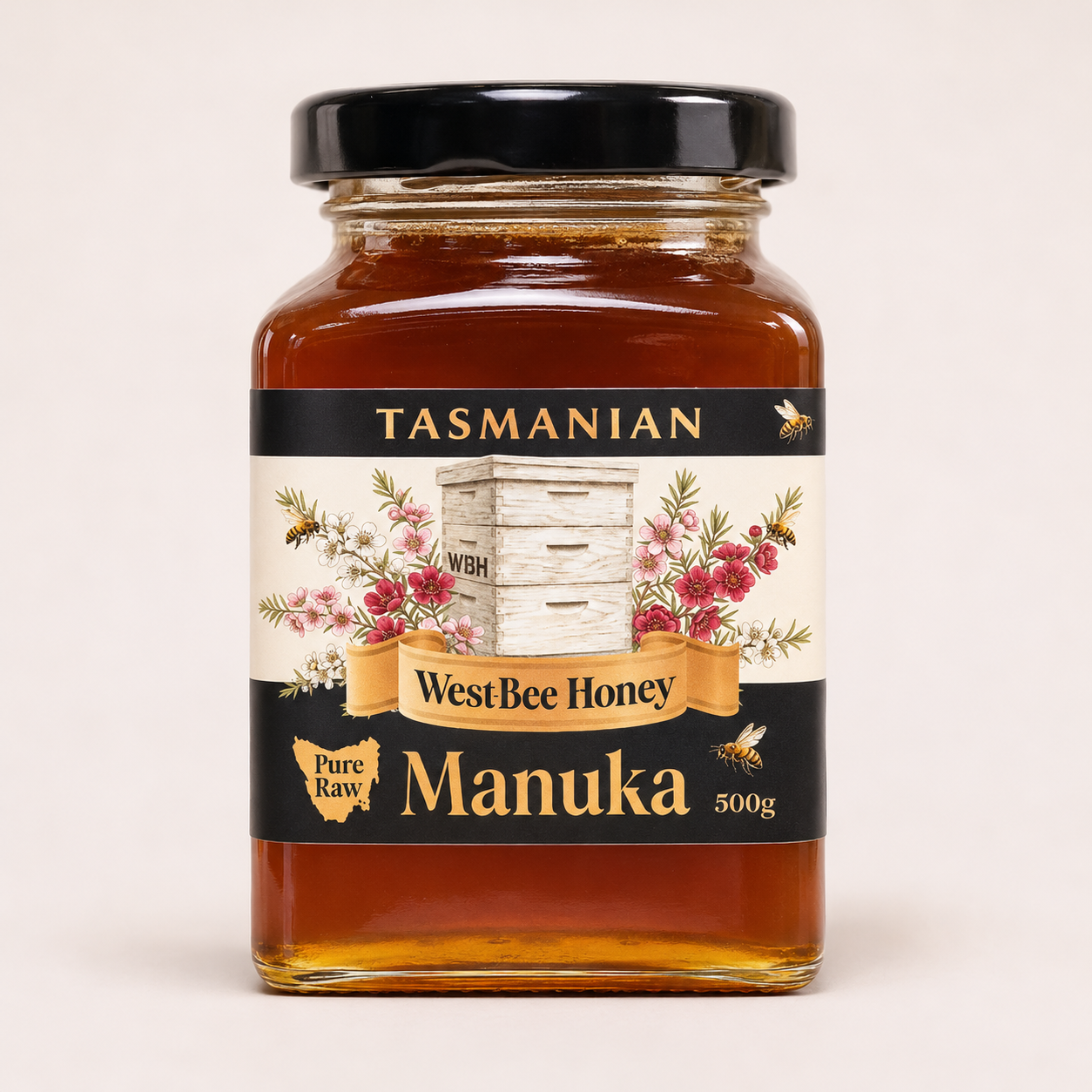
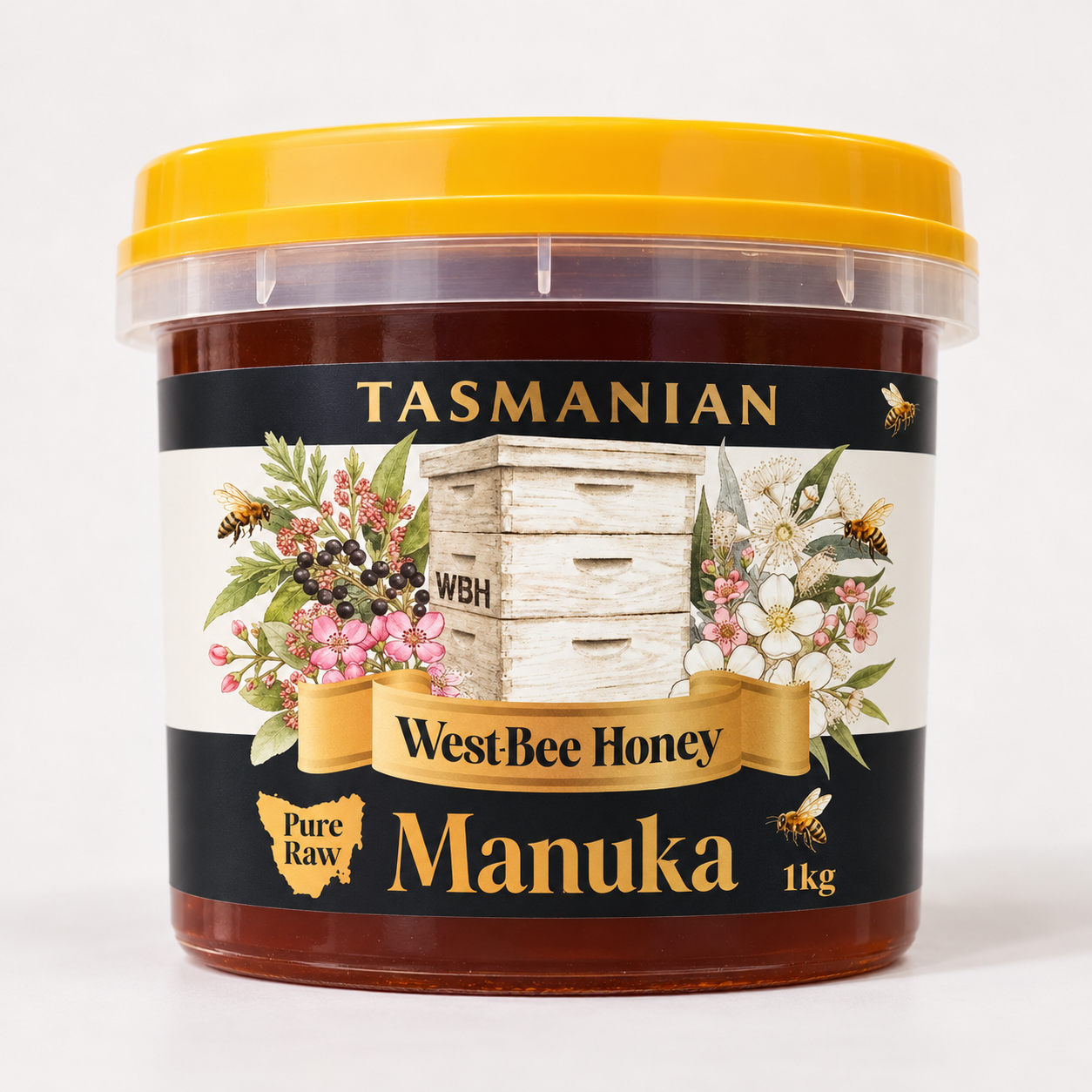
Sourced from Tasmania’s native Leptospermum Scoparium blossoms, this premium honey is prized for its bold, distinctive character. The result is a dark, earthy honey with a rich texture and an MGO rating of 200+. Type: Tasmanian Manuka honey. Available in 250g, 500g and 1kg sizes.